doi:10.1017/S000711451500313X
Disclosure of interest: NO Poster Session I - DIGITAL TRANSFORMATION, AI AND ROBOTICS 07.00 - DIGITAL TRANSFORMATION, AI AND ROBOTICS - 07.01 - TECHNOLOGY INNOVATIONS: ROBOTS, VIRTUAL REALITY, ARTIFICIAL INTELLIGENCE AND MORE P308 - ESOC25-442 CLINICIAN PERSPECTIVES ON MACHINE LEARNING TOOLS FOR OUTCOME PREDICTION AND DECISION-MAKING IN INTRACEREBRAL HAEMORRHAGE Alexandra Hurden 1 , Menglu Ouyang, Leibo Liu 1,2 , Xiaoying Chen 1 , Craig Anderson 1 The George Institute for Global Health, Faculty of Medicine, University of New South Wales, Sydney, Australia, 2 Centre for Big Data Research in Health, Faculty of Medicine, University of New South Wales, Sydney, Australia Background and Aims: Machine learning (ML) tools hold promise in outcome prediction and assisting clinicians decision making for patients with acute intracerebral haemorrhage (ICH)
Individuals with higher body fat percentages often experience more dramatic absolute changes in measurements and weight
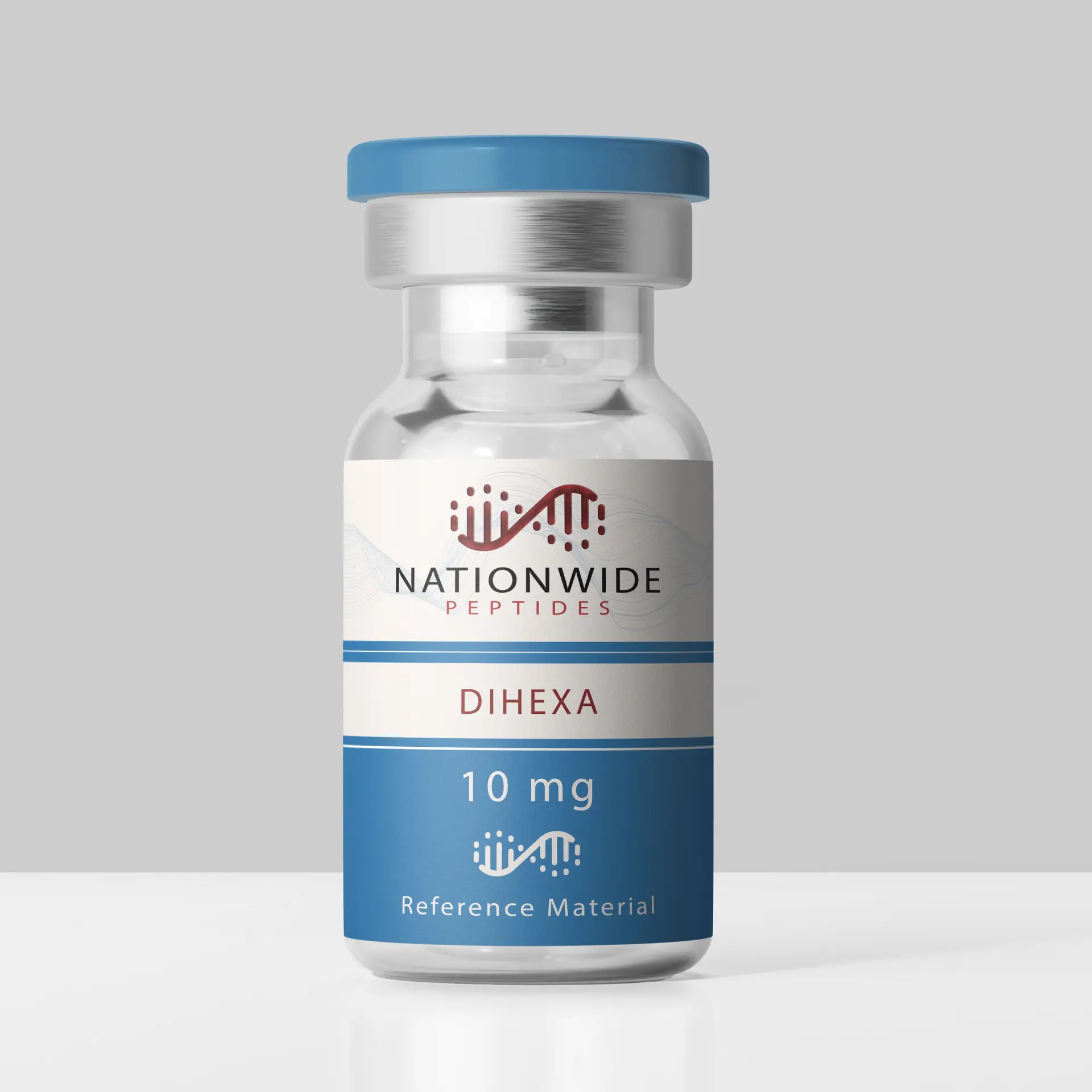
--- Practical Example: BPC-157 + TB-500 + GHK-Cu Vials (pre-reconstituted, in fridge): BPC-157: 5mg vial + 2.5mL BAC = 2mg/mL TB-500: 10mg vial + 2mL BAC = 5mg/mL GHK-Cu: 50mg vial + 5mL BAC = 10mg/mL Target doses: BPC-157: 250mcg draw 12.5 units (100u syringe) TB-500: 500mcg draw 10 units GHK-Cu: 1mg draw 10 units Total draw: ~32.5 units = 0.325mL very comfortable for a single subQ injection
At Claudias Concept , we always look beneath the surface and in this case, the science points directly to your iron levels