The real mechanism is straightforward: alcohol suppresses vasopressin and increases fluid loss, which reduces your total body water, which per the Widmark r-factor modestly concentrates whatever alcohol is in your system
CAS 1401708-83-5) is an orally active, blood-brain-barrier-permeable synthetic hexapeptide derived from the endogenous hexapeptide angiotensin IV (Ang IV)
Keep pens in their original carton and on a middle shelf rather than the door, where temperature fluctuates during frequent opening
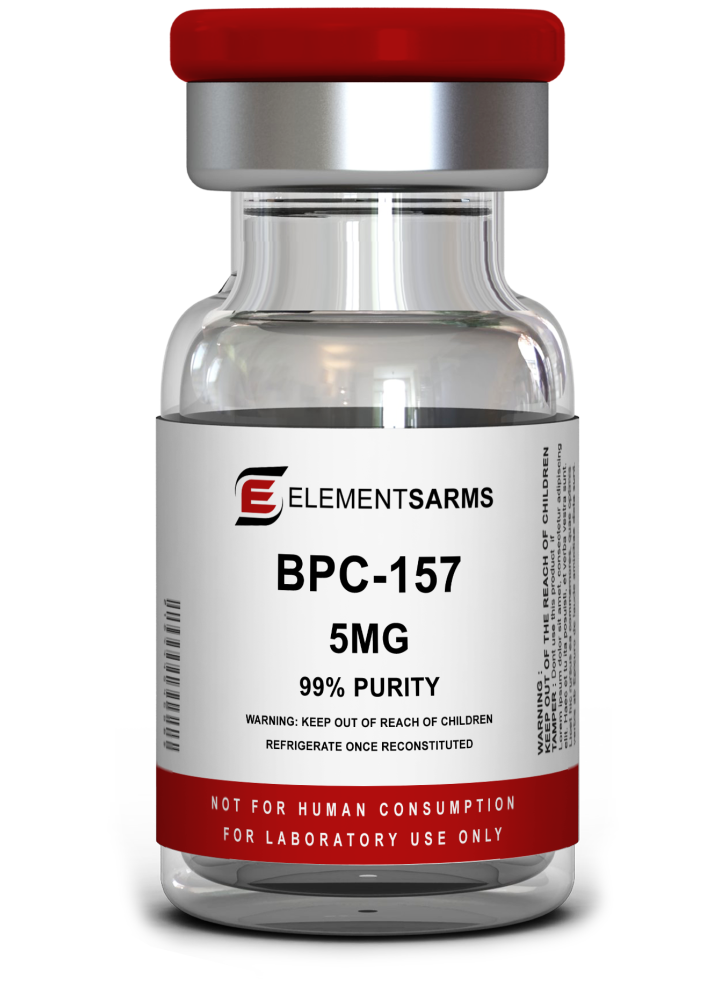
Never shake vigorously Peptide typically dissolves within 10 to 20 minutes to form clear solution Inspect for cloudiness, discoloration, or particles indicating degradation requiring disposal For a 5 mg Bpc-157 vial with 2.5 mL bacteriostatic water, the resulting 2 mg per mL concentration means 0.125 mL (12.5 units on insulin syringe) delivers 0.25 mg
The sustained and growing body of research on this compound, spanning multiple countries, research institutions, and animal models, reflects a level of reproducibility that supports continued serious investigation